


We use cookies to ensure the proper functioning of the site, measure traffic, and improve your user experience.
You can accept all cookies or customize your choices.



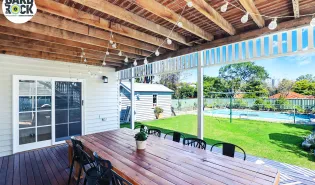
Before buying anything, ask yourself the right question:
How will you use your terrace?
A well-designed terrace is organised into clearly defined zones.
Your furniture should match the size of your terrace.
Choose:
You can create multiple areas:
Be careful not to overcrowd the space.
Always maintain smooth circulation.
This is what makes the difference between a pleasant terrace… and a cluttered one.
This is one of the most important aspects.
Without shade, a terrace quickly becomes uncomfortable in summer.
These solutions take up space and limit movement.
Installing equipment directly into the ground allows you to:
The Gard&Rock system is based on:
Result:
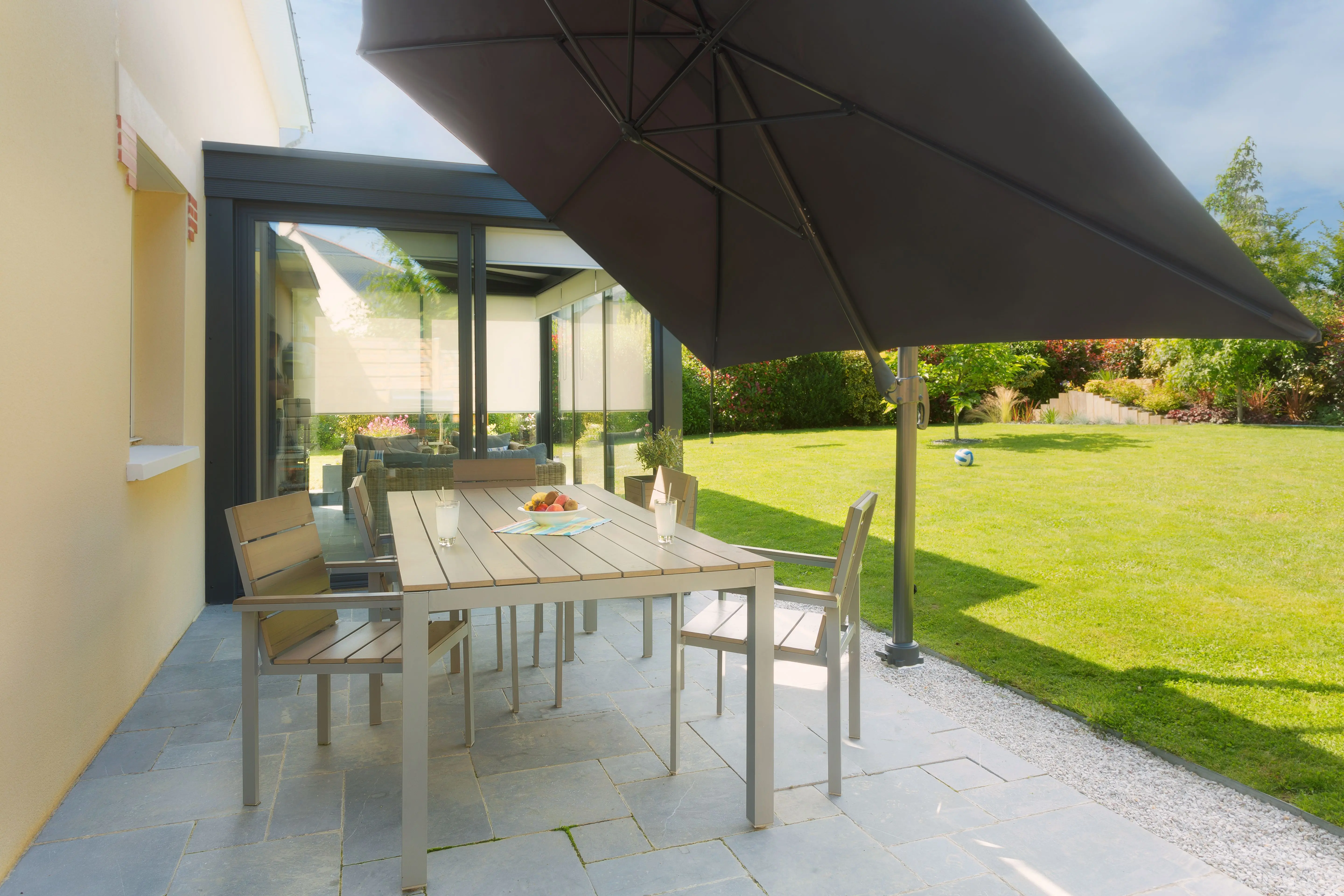
The choice of the fixing system is essential to avoid bulky solutions:
A terrace evolves throughout the day.
The advantage of a modular system like Gard&Rock:
You optimise your space without overcrowding it.
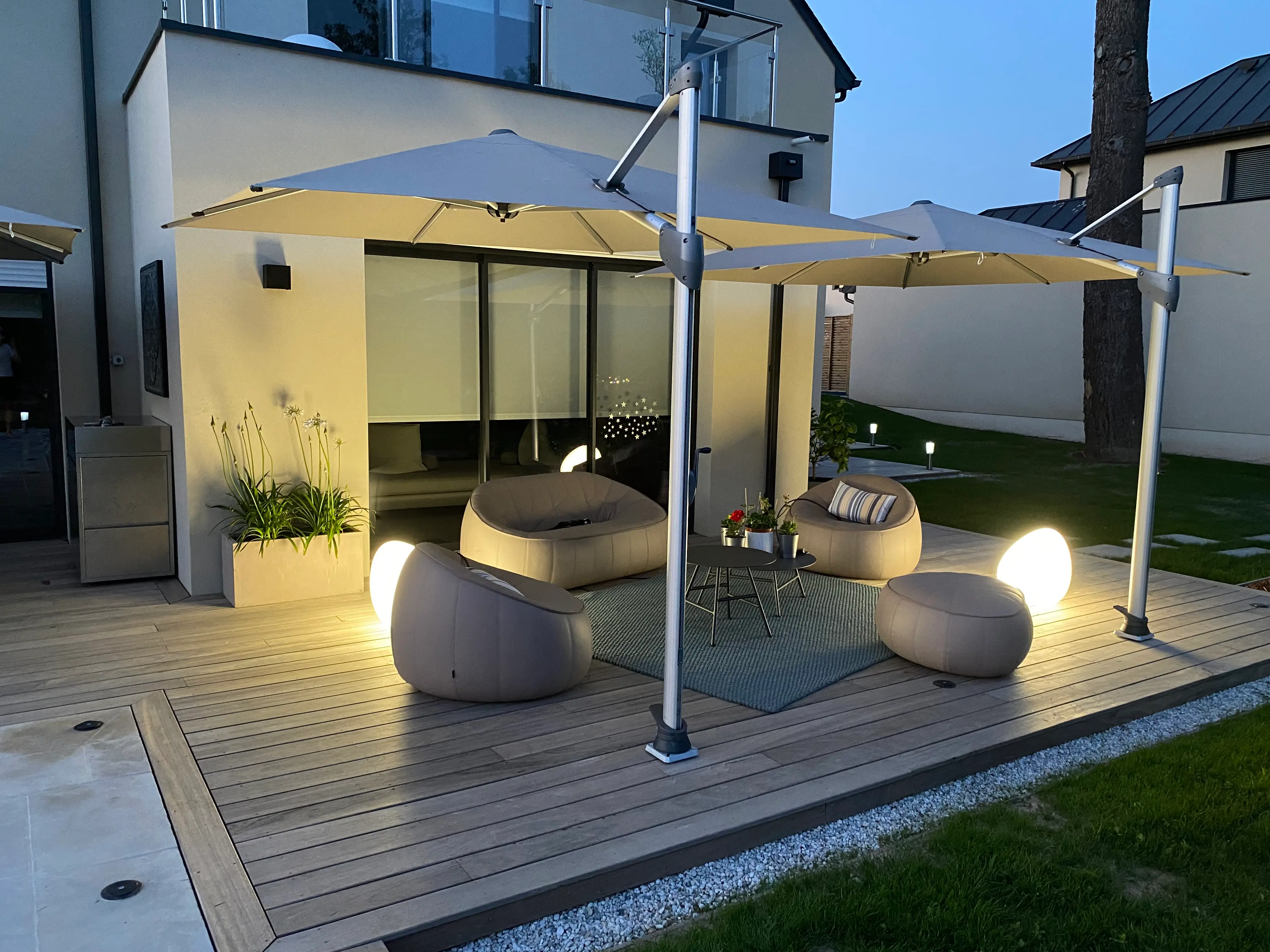
Some systems also allow you to fix different types of equipment on a single anchoring point.
Plants help to:
Use plants to:
A beautiful terrace is not about quantity, but coherence.
Choose:
Avoid:
Designing a terrace is all about finding the right balance between comfort, aesthetics and practicality.
Furniture should be adapted, shade carefully planned, and space optimised.
Solutions like the Gard&Rock system help improve flexibility, discretion and comfort, without cluttering the terrace.
A simple way to fully enjoy your outdoor space.
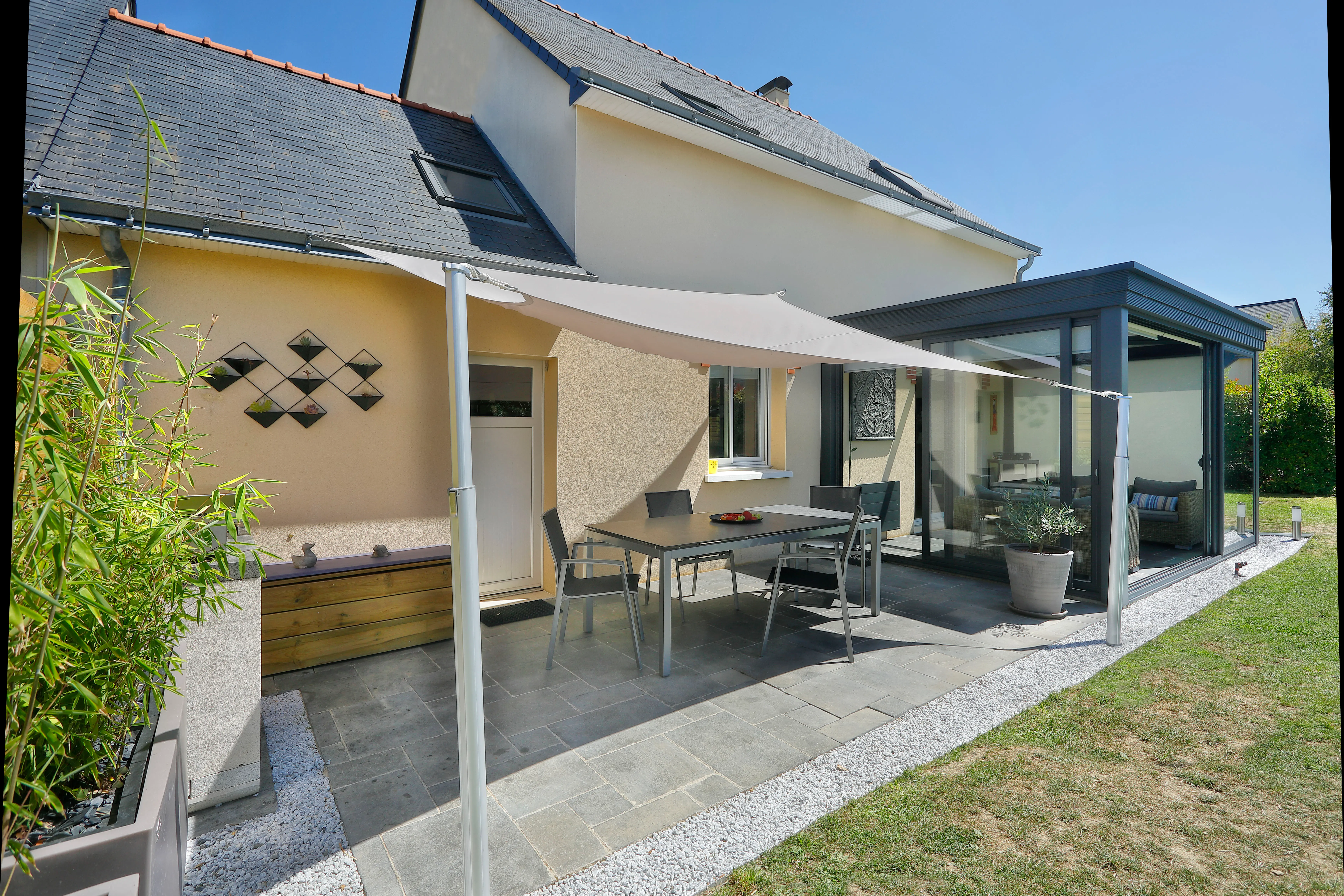
You may also like: